

Key Takeaways
- Strategies for readying equipment for frigid photography conditions
- Maintenance advice for cameras in chilly environments
- Attire and comfort considerations for shooting in cold climates
- Optimal techniques for photographing in low-temperature settings
- Precautionary steps for safety during cold-weather shoots
Cold Weather Shooting Tips | Preparing for Cold Weather Shooting
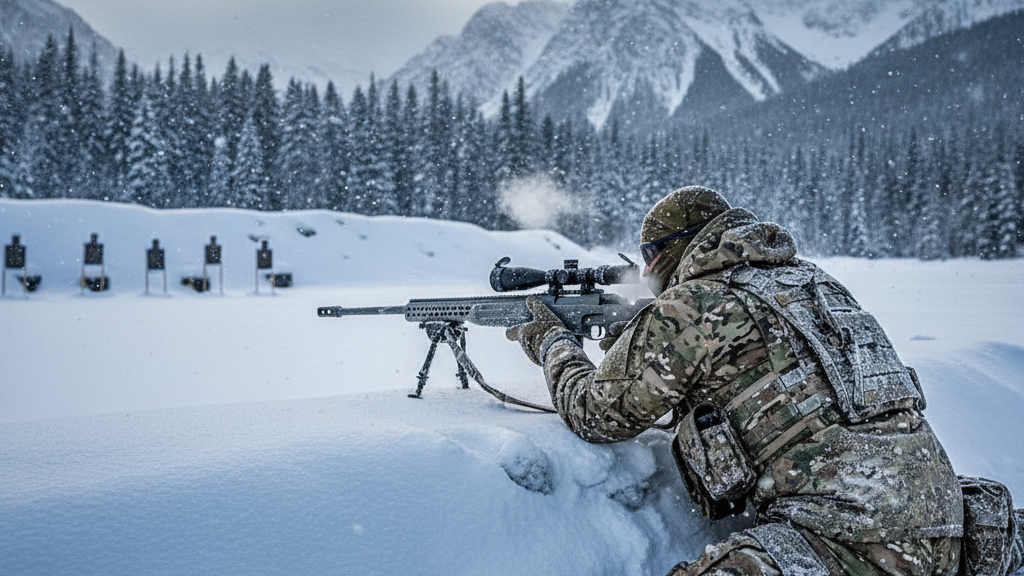
Cold weather shooting tips are essential for photographers planning to work in winter weather conditions. As temperatures dip and the potential for freezing rain increases, understanding how to prepare becomes crucial. Proper winter clothing helps maintain body temperature and fend off the chill, preventing issues like cold fingers that can hinder shooting. For rifle shooters and photographers alike, knowing how to adapt to these weather conditions ensures a more enjoyable and successful shooting experience. Staying informed about the impact of low temperatures on both equipment and personal comfort can significantly enhance the quality of work produced in such challenging environments.
| Tip | Description | Importance |
|---|---|---|
| Dress in Layers | Wear multiple layers of clothing to regulate body temperature. | Helps maintain warmth and allows for flexibility in changing conditions. |
| Use Hand Warmers | Carry hand warmers to keep your fingers warm. | Prevents cold-induced stiffness and improves dexterity for shooting. |
| Protect Your Gear | Use moisture-resistant bags and covers for your camera equipment. | Avoids damage from freezing temperatures and moisture. |
| Check Battery Life | Cold weather can drain camera batteries quickly. | Ensures you have enough power for extended shoots. |
| Stay Hydrated | Drink plenty of water to avoid dehydration. | Maintains energy levels and bodily functions during long outdoor sessions. |
Understanding the Impact of Cold Weather
Cold weather can significantly affect both the photographer and the equipment. Fluctuations in core temperature lead to discomfort, making it challenging to focus on capturing stunning images of snowflakes or the beauty of winter landscapes. Shivering not only hampers creativity but also distracts from the task at hand. For those shooting in inclement weather, using hand warmers can be a game-changer, keeping hands nimble enough to adjust settings while maintaining heat. Proper awareness of the environment helps in adapting cold weather shooting tips effectively.
Understanding the impact of ice and snow on gear is essential for successful photography in colder climates. Extreme temperatures can cause cameras and lenses to function unpredictably, similar to how a gun may jam in the cold. Equipment should never be brought directly from a warm room temperature environment to the frigid outdoors, as condensation can form. Choosing the right time to shoot during the day, like when sunlight is present, can provide better conditions for photography. Embracing precautions and valuable cold weather shooting tips ensures a fruitful experience while capturing magnificent winter moments, whether skiing down a slope or photographing serene snowy landscapes.
Essential Gear for Cold Weather Environments
Cold weather shooting tips emphasize the importance of selecting proper gear to maintain performance in frigid conditions. A high-quality insulated case can protect your camera from the elements, similar to how freezer compartments preserve food. Specialized gloves that allow for dexterity are essential for operating your equipment. Opting for clothing layers that trap body heat while allowing for mobility can make all the difference, especially if you’re venturing into ice baths during your shoots, reminiscent of methods used in arctic warfare training.
Choosing footwear that offers both insulation and traction is crucial for navigating snowy terrains during adventurous activities like ski touring or cross-country skiing. Water-resistant and insulated boots help prevent frostbite, ensuring comfort as you wait for the perfect shot. Accessories like handwarmers can counteract the chill, especially when taking long exposures or capturing the precise moment of a sniper rifle shot or handgun discharge. Remember, selecting the right gear not only enhances your shooting experience but also protects your health in adverse weather conditions.
Camera Care in Low Temperatures
Cold weather can significantly impact camera performance and durability during winter shooting. Understanding cold weather shooting tips is essential for preserving equipment functionality. The combination of rain, humidity, and freezing temperatures can lead to malfunction, much like rifles or shotguns faced with adverse conditions. Protecting gear from these elements is crucial, as exposure may result in permanent damage. Employing waterproof holding cases shields cameras from unexpected downpours, while using moisture-absorbing materials helps mitigate humidity risks. Taking proactive measures ensures that gear remains in prime condition, allowing photographers to focus on capturing stunning images despite the challenges of cold weather.
- Ensure your camera and lenses are stored in a warm, dry place before heading out into the cold.
- Use lens hoods to prevent moisture from settling on the glass.
- Avoid changing lenses outdoors to minimize exposure to chilly air and possible condensation.
- Keep spare batteries in a warm pocket, as cold temperatures can drain battery life quickly.
- Allow your camera to acclimate to temperature changes slowly to reduce the risk of condensation forming inside.
- Use a protective wrap or cover for extra insulation against freezing temperatures.
- Always clean your gear after exposure to cold or wet conditions to prevent long-term damage.
Protecting Your Equipment from Cold Damage
Cold weather can pose significant challenges for photographers, making it essential to consider effective cold weather shooting tips. The risk of condensation forming on your gear increases in cold temperatures, which can cause damage. To combat this, keep your camera equipment sealed in a dry bag until you are ready to shoot. Ensure that your cold weather gear includes protective covers for your camera and lenses. Avoid sudden exposure to warm air as this can lead to moisture build-up. Winter-wise shooters understand the need for careful handling in freezing temperatures, particularly in cold weather climates.
Investing in quality cold weather gloves is paramount for maintaining dexterity while shooting in cold temps. These gloves allow for better grip and control without compromising warmth. It’s crucial to keep an eye on battery performance as cold air can significantly reduce battery life in cold weather. Carry spare batteries in an insulated pouch close to your body to help maintain their performance. Being mindful of these cold-weather mistakes can protect your equipment from cold damage, allowing you to focus on capturing stunning images in cold climates.
Battery Maintenance in Cold Conditions
Extreme cold can significantly affect battery performance, leading to shorter usage times during cold weather shooting. Cold weather shooting tips emphasize that batteries lose their charge more quickly in low temperatures. Photographers should consider carrying spare batteries in insulated pockets to keep them warm. A sudden drop in temperature can cause a fully charged battery to perform as if it were depleted. This issue becomes particularly pronounced during cold outdoor sets or long cold-weather range sessions.
Keeping batteries warm is crucial, especially on a cold day or when facing cold rain. Photographers transitioning from hot weather to cold conditions should allow their equipment to acclimatize gradually. Avoid bringing a cold firearm indoors without proper temperature management to prevent condensation. Protecting your gear from the deep cold will help ensure optimal battery performance throughout your shooting experience. Cold lenses can also induce image quality issues, making it essential to monitor all equipment in extreme cold.
Clothing and Comfort for Cold Weather Photography
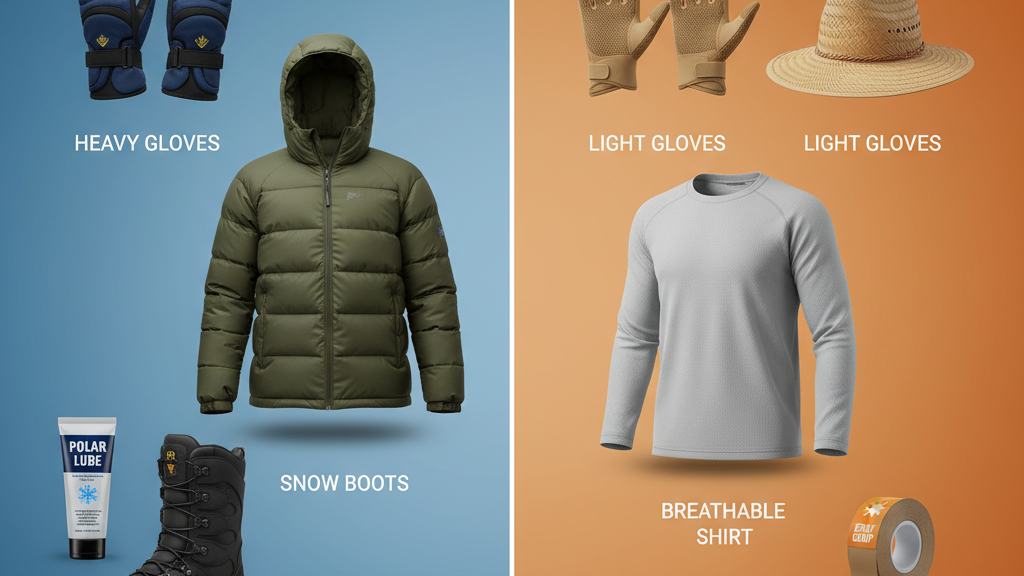
Preparing for a photography outing in a cold environment requires careful consideration of clothing and comfort. Cold weather shooting tips emphasize the importance of layering to maintain warmth while ensuring mobility. Proper cold weather accommodations can prevent the freezing discomfort that often accompanies long hours spent outside in harsh weather. For photographers facing arctic temperatures, investing in quality gear becomes essential; wearing a warm rain jacket over layers can provide a buffer against the elements. Choosing the right footwear is crucial, as insulated boots can make a significant difference in keeping your feet warm during those colder months. Wearing cold gloves designed for shooting can help maintain dexterity while capturing great images in challenging conditions. Embracing these strategies allows for a more enjoyable experience shooting in low temperatures and navigating bad weather with confidence.
Layering Techniques for Photographers
Layering is crucial for shooters who are preparing for cold weather shooting tips. The foundation should consist of moisture-wicking base layers that help manage temperature impact while allowing freedom of movement. Insulating layers trap body heat, providing warmth in colder environments. A waterproof and windproof outer layer protects against the elements, ensuring comfort during long shooting sessions. Consider lightweight materials that remain effective even in freezing conditions. For extreme winter conditions, using a shooting mitt can keep your hands warm without sacrificing dexterity when handling your camera.
Temperature differences between cold steel and warmer climate can be striking, so dressing appropriately is essential. Using layers allows shooters to easily adapt to changing conditions during their photography adventures. For next winter’s shooting sessions, focus on flexibility in your clothing choices. Select layers that can be removed or added as needed to maintain comfort. Remember, staying warm enhances concentration, leading to better shots. Happy shooting in these cold temperature environments!
| Layer Type | Description | Material Examples |
|---|---|---|
| Base Layer | Moisture-wicking to manage sweat and maintain warmth | Merino Wool, Polyester |
| Insulating Layer | Traps body heat to provide additional warmth | Fleece, Down, Synthetic Insulation |
| Outer Layer | Waterproof and windproof to protect against elements | Gore-Tex, Nylon, Softshell |
| Accessories | Additional items for comfort and protection | Shooting Mitts, Beanie, Neck Gaiter |
Footwear Choices for Cold Weather Shoots
Selecting the right footwear is crucial for photographers venturing into icy terrains. Insulated boots can keep your feet warm while navigating through deep snow. Many shooters overlook the importance of comfortable footwear, which can make or break a shooting experience. Cold hands can be a distraction, but having the right winter coat and insulated footwear can significantly enhance your focus. To maximize comfort, consider adding foot warmers that easily fit inside your boots.
Shooters often encounter challenging conditions like cold glass and frozen grip on their equipment. Winter gloves are essential for protecting your hands while shooting. A few shooters underestimate the impact of proper footwear, leading to discomfort and reduced mobility. Choosing waterproof and insulated boots can ensure you stay dry and warm, even in snowy environments. Prioritizing comfort allows you to concentrate on composition and capture stunning images without the distraction of icy toes.
Best Practices for Capturing Images in Cold Weather
Cold weather shooting tips are essential for photographers aiming to capture stunning images during a snow adventure. Adjusting camera settings for low temperatures can greatly enhance the quality of your shots. Ensuring your gear operates smoothly can prevent frozen components, which might hinder your next shot. Use warmers and wear warm gloves to keep your fingers nimble and ready to shoot, especially in the frigid temperatures of a Wisconsin winter. Maintaining warm feet is crucial for comfort, allowing you to focus on achieving that perfect temp for your photography. Just as a successful rifle shooter prepares for a winter meat supply, photographers must prepare adequately to avoid a severe gun hazard and capture breathtaking images in challenging conditions.
Adjusting Camera Settings for Low Temperatures
Cold weather can significantly impact camera performance, making it essential to adjust settings accordingly. In frigid conditions, seasonal accuracy shifts may occur, leading to color imbalances and exposure issues. Photographers should review temperature calibration settings to ensure images reflect the true beauty of a winter wonderland. Using ski gloves or warm gloves can make it easier to operate the camera, helping to prevent fingers from freezing while maintaining control over settings.
To optimize performance in low temperatures, consider using a higher ISO setting to compensate for the reduced light typical of cloudy, cold days. This adjustment allows for faster shutter speeds, minimizing the risk of motion blur from the chill. The goal is to create images that resonate with the warmth found in summer heat, even in icy environments. By fine-tuning camera settings, photographers can capture stunning shots that evoke the serene beauty of winter, offering a contrast to the t-shirt weather of warmer months.
Tips for Composition in Cold Environments
Cold weather photography presents unique challenges that can significantly impact composition. For instance, consider the placement of your subject against a backdrop of snowbanks. The reflective qualities of snow can enhance your images, but it’s essential to balance exposure to avoid overexposed highlights. Apply cold weather shooting tips by being mindful of heat sensitivity; keeping your camera and lenses in a warmer environment before shooting can yield better results. Using warm mittens can aid in manipulating settings without sacrificing comfort.
In extended shooting sessions, maintaining focus on composition is crucial. As you frame your subject, think about the contrast of colors and textures amidst the cold landscape. Taking a moment to engage in dryfire training can help you practice your shots while keeping your hands warm with proper hand warmer placement. The role of the environment, such as the impact of a rifle muzzle or gun muzzle against a wintry backdrop, can also inspire creative angles. Embrace the cold, yet ensure your comfort with heaters or other sources of warmth, making each shot deliberate and thoughtful.
Safety Measures While Shooting in Cold Conditions
Cold weather shooting tips often emphasize the importance of staying warm and alert during long shoots in frigid climates. Warm breath can help keep your face comfortable, while maintaining effective firing requires attention to gun handling. Moisture buildup from high humidity can become an issue, especially in sub-zero temperatures, necessitating moisture control to avoid any malfunctions. Finding warm shelter periodically allows for breaks from the chill, ensuring you remain focused and safe. Utilizing a muzzle-up rifle position during cold weather shooting enhances safety and prepares you for that perfect shot, whether you’re capturing a snowy branch or another wintery scene. Proper footwear and clothing layering also contribute to overall comfort and performance in these conditions.
Staying Warm and Alert During Long Shoots
Long exposure to cold temperatures can significantly affect your performance as a photographer. Cold weather shooting tips emphasize the importance of wearing heavier and warmer clothing to maintain body heat. Lack of warmth not only affects your concentration but can lead to issues like frozen primers in firearms, which can cause a rifle fail during crucial moments. Staying alert is vital, as foggy scope lenses can obscure your target and negatively impact shot groups. Consider using pocket hand warmers to keep your hands agile while using a thinner glove for better trigger control.
Maintaining your focus during prolonged shoots in cold conditions requires attention to your body’s signals. The spring tension in your joints may be stiff due to the cold, leading to less steady movements. A well-prepared photographer should have tips ready, such as taking short breaks to move and regain warmth. This vigilance is essential to prevent mistakes that could lead to misfired shots or misalignment of your gun carbine. By keeping warm and alert, you ensure that your firearm is performing optimally, providing you the best chance at capturing those stunning winter scenes.
- Invest in thermal base layers to retain warmth without adding bulk.
- Use insulated footwear to prevent cold feet, which can distract from focus.
- Stay hydrated; dehydration can impair mental clarity and concentration.
- Schedule regular breaks to stretch and move around, promoting blood circulation.
- Consider wearing a hat or beanie to reduce heat loss from your head.
- Bring a thermos with a hot beverage to help keep your body temperature up.
- Practice mindfulness techniques to maintain focus and alertness during shoots.
Conclusion
Cold weather shooting tips can significantly enhance your photography experience in frigid conditions. Wearing gloves designed for photographers can help maintain dexterity while protecting your hands from the biting cold. Keeping your gear in a waterproof bag prevents damage from unexpected wet conditions, ensuring your equipment stays safe. Finding a spot with a fire can provide warmth and comfort during long shoots. Taking these precautions allows for a more enjoyable and productive time on your photography range, resulting in stunning images that capture the beauty of winter landscapes.
FAQS
What should I consider when preparing for shooting at a shooting range during cold weather temperatures and how do colder side affects my performance with my sniper rifles and pistol?
When preparing for shooting at a shooting range in cold weather temperatures, it’s essential to consider the impact of cold weathers on your firearm’s performance. The cold weather can affect bullet impact and may require adjustments in shooting techniques. Additionally, using heavier/warmer clothing can impact your mobility while shooting. It’s also vital to ensure your firearm is properly maintained, as temperature extremes may affect its functionality. For example, ensure that your self-loading rifle or shotshells are stored correctly to prevent any malfunctions. Moreover, when winter hits, you might find that practicing warm-weather shooting techniques can assist in enhancing your overall shooting skills when the warm months return.
What techniques can help improve my performance when using sniper rifles and pistols in cold-weather climates?
To ensure great shooting with your sniper rifles and pistols in cold-weather climates, it’s essential to make adjustments for the winter temps. Always test your firearms to see how they perform, especially if they’ve been left in a freezer overnight. When shooting in such conditions, consider wearing layers to stay warm and maintain your dexterity for better control. Additionally, remember that while colder side may pose challenges, regular practice, like participating in shooting events such as a steel challenge, can enhance your skills even in colder weather.
How can I maintain consistent firearm performance while shooting in cold weather compared to warm weather?
When shooting in cold weather, it’s crucial to understand how your firearm will perform under different conditions. Cold weather can have a significant impact, making it important to acclimate your firearm, especially if you’re used to warmer climates. While shooting, ensure that you’re using oils and lubricants that remain effective in low temperatures. Additionally, preparing with layers helps in keeping yourself warm, contributing to better focus and performance. Without proper preparation, shooting in very cold weather can be less comfortable compared to hot climates, and it may affect your performance with your rifle and other firearms during events such as shooting steel challenge.
How does cold weather affect my experience while shooting, and what should I keep in mind compared to warmer conditions?
When shooting in winters, it’s important to be aware that cold weather can impact your firearm performing differently than in warm weather. The performance of your rifle isn’t just affected by temperature; factors like air conditioning indoors and a little cold outside can also play a significant role. If you’re participating in events like the steel challenge or cross country skiing, consider how these elements may influence your overall shooting experience. A lot warmer conditions often make it easier to maintain accuracy and comfort, while a little warm day can also yield better results compared to a freezing environment.
What challenges might I face while shooting in cold weather compared to warmer conditions, especially when it comes to participating in steel challenges and the performance of my equipment?
When shooting in cold weather, others may experience difficulties that can impact their performance, particularly while shooting in events like the steel challenge. The cold can affect both your physical performance and the mechanical performance of your firearms, leading to challenges that are less prevalent in warm weather. It’s important to be aware of these factors to ensure you’re prepared and can perform your best in these conditions.
What challenges might others face while shooting in cold weather compared to warm weather, especially when trying to shoot a steel challenge?
When shooting in cold weather, others may experience difficulties such as reduced accuracy and performance, which can affect their ability to shoot steel challenges effectively. In warm weather, most shooters do not face these issues, allowing for a more consistent shooting experience. It’s essential to adapt to the cold weather conditions for better overall performance while shooting.
What challenges do others encounter while shooting in cold weather compared to warm weather, and how can these challenges impact their performance?
While shooting in cold weather, others often face issues such as reduced dexterity, increased clothing bulk, and equipment malfunctions, which can significantly impact their accuracy and handling of firearms. In warm weather, most shooters do not have to contend with these hindrances, allowing for more comfortable and efficient shooting experiences.
What challenges do others face while shooting in cold weather versus warm weather, particularly regarding equipment performance?
When shooting in cold weather, others may experience issues such as equipment malfunctions and decreased ammunition reliability, while shooting in warm weather usually results in more consistent performance. These challenges can significantly impact overall performance during shooting activities.
What challenges do others encounter while shooting in cold weather compared to warm weather, especially when it comes to their equipment and performance?
When shooting in cold weather, others may face challenges such as reduced equipment performance and altered behavior of ammunition. Cold weather can cause lubricants to thicken, affecting the operation of firearms while shooting. In contrast, warm weather typically allows for smoother operation. Most shooters find that these conditions alter their accuracy and comfort, impacting their overall performance and enjoyment.
What are some common issues others face while shooting in cold weather, especially when comparing their performance to warm conditions?
While shooting in cold weather, others often encounter difficulties such as reduced equipment reliability and increased variability in ammunition performance. These challenges can significantly affect overall shooting accuracy compared to warm environments, where conditions are more stable and equipment functions optimally.
Comments are closed.