

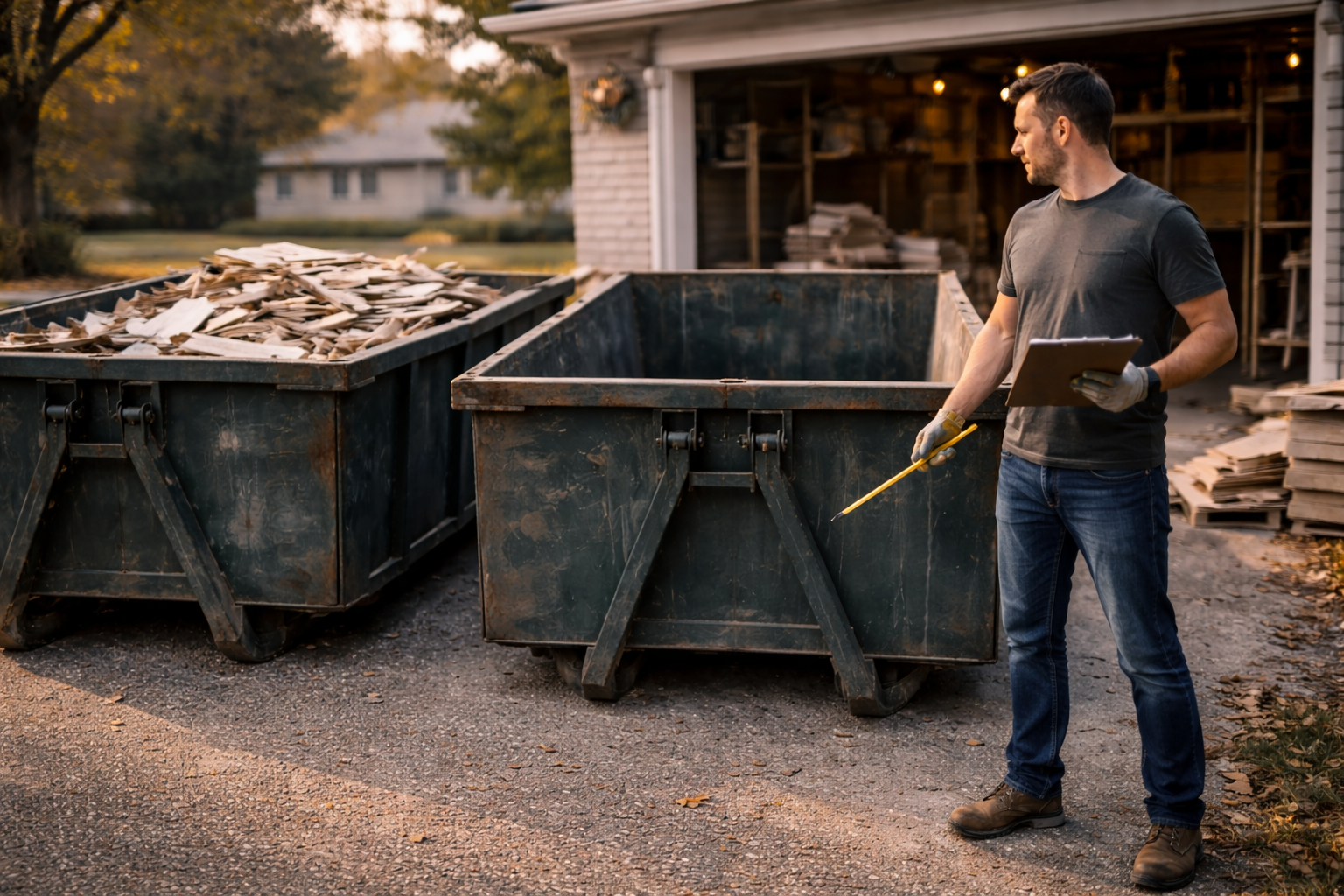
Every year, millions of homeowners and contractors order a dumpster that’s either too small for the job or far larger than they actually need — and both mistakes cost real money. Choosing the perfect dumpster isn’t complicated once you understand how sizes are measured, what your specific project demands, and which rental terms actually matter buried in the fine print. Yet most people treat it as an afterthought, picking a container based on a gut feeling and hoping for the best. This guide replaces guesswork with a clear, practical framework so you can match the right roll-off dumpster to your project, your timeline, and your budget the first time around.
Whether you’re demolishing a deck, gutting a kitchen, clearing out a storage unit, or managing debris on a commercial job site, the information below will walk you through every decision point — from cubic yardage to weight limits to placement logistics.
Why Getting the Size Right Matters More Than You Think

The most expensive dumpster isn’t the big one. It’s the wrong one.
Order a container that’s too small and you’ll either need a second delivery — which means paying a second haul fee, a second rental period, and potentially a second disposal charge — or you’ll overfill the bin and face surcharges for exceeding the fill line. Order one that’s too large and you’re paying a premium for empty space you never use.
The sweet spot is a dumpster that holds everything your project produces with a small margin of breathing room. Getting there requires understanding two things: how dumpster sizes work and how much waste your particular project actually generates.
How Dumpster Sizes Are Measured
Roll-off dumpsters are measured in cubic yards — the total interior volume of the container. The number in a dumpster’s name (10-yard, 20-yard, 30-yard, 40-yard) tells you how many cubic yards of material it holds. One cubic yard is a 3-foot by 3-foot by 3-foot space, roughly the size of a large kitchen appliance like a commercial dishwasher.
Here’s what each standard size looks like in physical dimensions and practical capacity:
10-Yard Dumpster
- Typical dimensions: 12 feet long × 8 feet wide × 3.5 feet tall
- Holds approximately: 3 full-size pickup truck loads
- Best for: Small bathroom remodels, garage cleanouts, minor landscaping debris, deck removal (small deck), single-room carpet or flooring removal
The 10-yard is the most compact option and fits easily in tight driveways and narrow residential streets. It’s the right call for projects that produce a moderate but manageable amount of waste — think “a weekend’s worth of work,” not a full renovation.
20-Yard Dumpster
- Typical dimensions: 22 feet long × 8 feet wide × 4.5 feet tall
- Holds approximately: 6 full-size pickup truck loads
- Best for: Kitchen or bathroom gut renovations, roof replacements (up to 1,500 sq ft), multi-room decluttering, mid-size estate cleanouts, shed demolition, large flooring projects
The 20-yard container is the workhorse of the residential rental market. It balances capacity and footprint well and handles the majority of single-family home projects without tipping into overkill. If you’re unsure whether you need a 10 or a 20, the 20 is almost always the safer bet — the price difference is often only $50 to $100, while a second 10-yard delivery can cost $300 or more.
30-Yard Dumpster
- Typical dimensions: 22 feet long × 8 feet wide × 6 feet tall
- Holds approximately: 9 full-size pickup truck loads
- Best for: Whole-home cleanouts, large renovation projects, new construction cleanup, significant storm damage debris, major landscaping overhauls, hoarder property remediation
At 30 yards, you’re stepping into serious capacity. This size is popular with general contractors handling residential remodels and with families managing estate liquidations where the entire contents of a home need to go. The taller sidewalls mean you can stack broken furniture, cabinetry, and framing lumber more efficiently.
40-Yard Dumpster
- Typical dimensions: 22 feet long × 8 feet wide × 8 feet tall
- Holds approximately: 12 full-size pickup truck loads
- Best for: Commercial construction and demolition, large-scale cleanouts spanning multiple properties, warehouse or retail space renovations, industrial waste management, community cleanup events
The 40-yard is the largest standard residential/commercial container. It’s rarely needed for a single household project unless you’re demolishing a significant structure or handling an extreme accumulation of junk. Before ordering this size, confirm your driveway or staging area can accommodate its length and that the loaded weight won’t exceed the hauler’s limits.
The Weight Factor Most People Overlook
Volume gets all the attention, but weight is where surprise charges live.
Every dumpster rental includes a weight allowance — the maximum tonnage included in the base price. Go over that limit and you’ll pay an overage fee, typically $40 to $100 per additional ton depending on your region and provider. This catches people off guard when they’re disposing of heavy materials like concrete, brick, asphalt, dirt, roofing shingles, or tile.
To put this in perspective, a 20-yard dumpster filled with old furniture and household junk might weigh 2 to 3 tons. That same 20-yard container filled with concrete rubble could weigh 10 tons or more — blowing past most standard weight allowances and triggering hundreds of dollars in overage fees.
The fix is simple: tell your rental provider exactly what you’re throwing away. If your load is heavy, many companies offer “heavy debris” dumpsters with reinforced weight allowances specifically designed for materials like concrete, soil, and stone. These containers are often smaller in volume (10 to 15 yards) but rated for much higher tonnage, which can save you a significant amount compared to overloading a standard bin.
Placement and Access: Planning Where It Goes
Before the truck arrives, you need to know where the dumpster will sit. Roll-off containers require a flat, stable surface and a clear path for the delivery truck, which needs roughly 60 feet of straight clearance to safely set the bin down.
Consider these placement factors when you’re planning:
Driveway placement is the most common choice for residential rentals. Protect your driveway surface by asking the company to place plywood boards beneath the container’s wheels and contact points. Asphalt is especially vulnerable to denting and cracking under the weight.
Street placement may require a permit from your city or municipality. Permit requirements, fees, and turnaround times vary widely — some cities issue same-day permits for $25, while others require a week’s notice and charge $150 or more. Check with your local public works department before your delivery date.
Yard or dirt placement works well for construction sites but can leave ruts in soft ground. If you need the dumpster placed on grass or soil, plan for potential turf damage.
Proximity to the work area matters more than people realize. Carrying heavy debris an extra 50 feet across your property hundreds of times adds hours to a project. Place the dumpster as close to the source of waste as logistics allow.
Rental Duration: How Long Do You Actually Need It?
Standard rental periods typically run 7 to 14 days, depending on the company and the market. Most residential projects — a weekend cleanout, a room remodel, a roofing job — fit comfortably within a 7-day window. Larger renovations, phased construction projects, or estate cleanouts where sorting takes time may require an extended rental.
Daily extension fees usually range from $5 to $15 per day, so going a few days over isn’t catastrophic. However, if you know upfront that your project will take three weeks, negotiate a longer initial term rather than paying day-by-day extensions — most providers will accommodate this at a better rate.
Questions to Ask Before You Book
The difference between a smooth rental experience and a frustrating one often comes down to the questions you ask before signing. These are the ones that matter most:
What is the total all-in price, including delivery, pickup, disposal, and taxes? What is the included weight allowance, and what is the per-ton overage rate? Are there prohibited items, and what happens if a restricted item is found in the bin? Is the rental period calendar days or business days? What is the process if I fill the dumpster before my project is done and need a swap? Are there any neighborhood or HOA restrictions I should be aware of?
Getting clear answers to these questions upfront eliminates the most common sources of billing disputes and project delays.
Choosing Between a Dumpster Rental and Junk Removal
Not every cleanout scenario calls for a roll-off container. Full-service junk removal — where a crew arrives, loads everything, and hauls it away in a single visit — is a strong alternative when your volume of waste is relatively low (less than a pickup truck load or two), when you can’t physically load the dumpster yourself, when the project needs to be done in hours rather than days, or when access constraints make dumpster placement impossible.
For most medium-to-large projects, though, a dumpster rental offers better cost efficiency and scheduling flexibility. You load at your own pace, keep the container as long as your rental period allows, and pay one predictable price for the entire job.
Frequently Asked Questions
How do I know what size dumpster I need?
Estimate based on your project type. Small single-room projects typically need a 10-yard container. Mid-size renovations and multi-room cleanouts fit a 20-yard. Whole-home cleanouts and large construction jobs call for a 30- or 40-yard dumpster. When in doubt, size up — the marginal cost is far less than a second delivery.
What is the most popular dumpster size for homeowners?
The 20-yard dumpster is the most commonly rented size for residential projects. It provides enough capacity for kitchen remodels, roofing jobs, estate cleanouts, and multi-room decluttering while still fitting in a standard driveway.
How much does renting a dumpster cost?
National averages range from $250 to $600 for a 10- to 20-yard dumpster on a 7-day rental. A 30-yard container typically runs $350 to $700, and a 40-yard ranges from $400 to $850. Prices vary significantly by region, debris type, and included weight allowance.
Can I place a dumpster on the street in front of my house?
In most municipalities, yes — but you’ll likely need a permit. Contact your city’s public works or streets department for requirements, fees, and any restrictions on placement duration or container size.
What items are not allowed in a dumpster?
Hazardous waste is universally prohibited. This includes paint, chemicals, solvents, motor oil, propane tanks, car batteries, medical waste, and asbestos. Freon-containing appliances (refrigerators, freezers, AC units) are also banned unless the refrigerant has been professionally removed. Tires and certain electronics may be restricted depending on local regulations.
How heavy is too heavy for a dumpster?
Every rental comes with a weight limit, typically 2 to 6 tons depending on the container size and provider. Heavy materials like concrete, dirt, brick, and roofing shingles can reach that limit quickly — even in a smaller container. Always disclose the type of debris you’ll be disposing of so the hauler can assign the correct weight allowance.
Your Project Deserves the Right Dumpster — Let’s Find It
Now that you know exactly how sizing works, what to watch for on weight, and which questions to ask before you book, you’re in a position to make a confident, cost-effective decision. No second deliveries. No surprise overage charges. No wasted money on unused space.
Get your free dumpster rental quote today. Tell us about your project, and we’ll recommend the exact container size, weight allowance, and rental duration that fits — guaranteed. The sooner you book, the sooner that pile of debris is off your property and out of your life for good.
Comments are closed.