

Key Takeaways
- Comprehending debris that necessitates a container
- Investigating container alternatives
- Selecting the appropriate container dimensions
- The container leasing procedure
- Specialized containers for unique requirements
- Substitutes for conventional containers
Understanding Junk That Requires a Dumpster
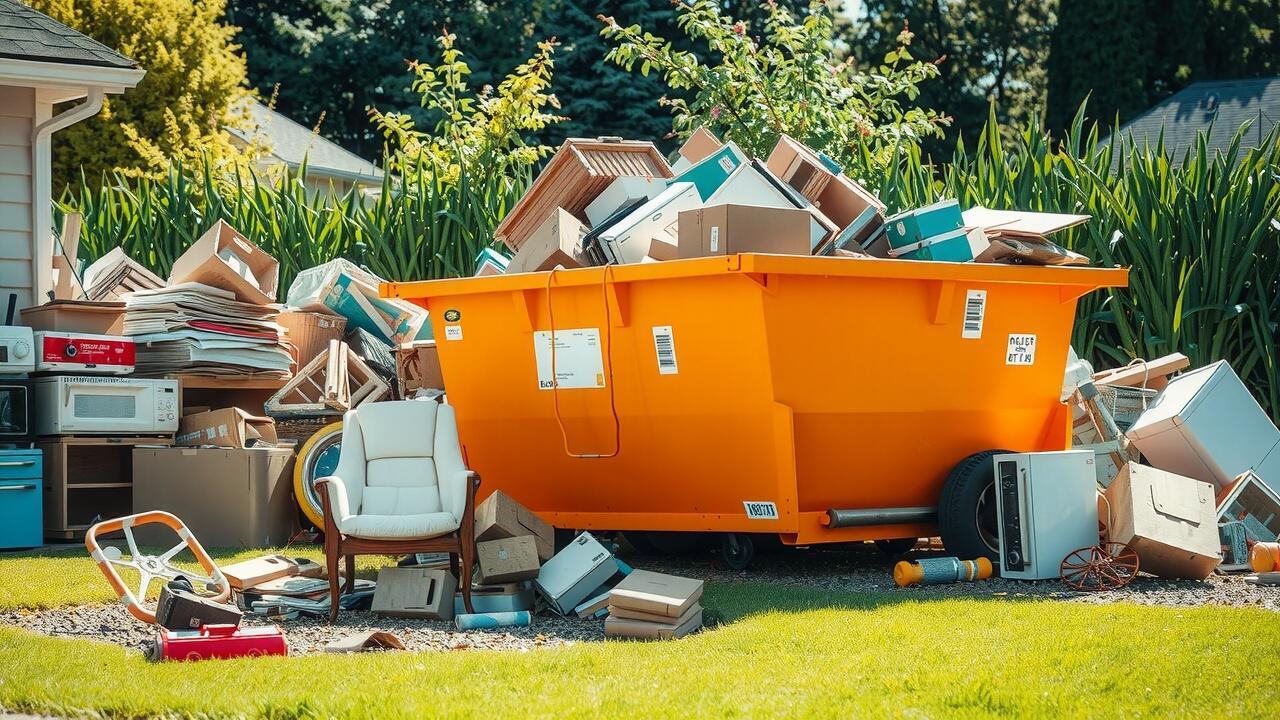
Identifying junk that requires a dumpster is crucial for efficient junk removal. Items such as old furniture, construction debris, and large appliances often exceed the capacity of a standard trash can. Roll-off dumpsters are specifically designed for handling such bulky items, making them a preferred choice for homeowners and contractors alike. Many opt for roll-off dumpsters during renovation projects or cleanouts due to their ample space and easy loading options. Utilizing dumpsters for dumping helps streamline the disposal process, ensuring that junk is managed properly and does not clutter the surrounding area. Understanding the different options available, such as various sizes and types, can enhance the overall experience of dealing with junk that requires a dumpster.
Common Types of Junk for Disposal
Many homeowners and businesses generate various forms of junk that requires a dumpster for proper disposal. Construction waste often includes debris, leftover materials, and packaging that cannot fit in regular trash bags. Old furniture, appliances, and other large items also contribute to the accumulation of garbage. Keeping these items in a trash bag is impractical. It’s essential to recognize that some of this junk, such as electronics or chemicals, may qualify as hazardous waste. Improper disposal can lead to hazardous material ending up in landfills, potentially releasing harmful landfill gases.
Landfills are designed to handle general waste; however, certain types of junk that requires a dumpster need special attention. Household products like paint, solvents, and batteries fall under hazardous waste and require specific disposal methods. Construction sites frequently generate bulky junk that necessitates renting a large dumpster to manage the volume of debris effectively. Understanding the types of waste that cannot be included in standard trash bags can save time and money, ensuring that the disposal process is both safe and environmentally friendly.
When to Use a Dumpster for Junk Removal
Homeowners and businesses often encounter junk that requires a dumpster during significant clean-outs or renovations. Common scenarios include the disposal of old furniture, construction debris, and various waste products. For large volumes of trash or heavy materials, opting for a dumpster rental streamlines waste removal. Using a recycling bin may suffice for smaller items; however, hazardous materials, like chemicals and certain appliances, necessitate specialized disposal methods. Engaging a service like 1-800-GOT-JUNK? can help identify items suitable for a dumpster rental.
Determining the right time for a dumpster rental hinges on the amount of waste generated and the nature of the project. Major home renovations or extensive yard clean-ups often produce large quantities of debris that cannot efficiently fit into standard trash bins. Waste disposal becomes more complex when dealing with heavy construction debris or large appliances. In such cases, a dumpster can accommodate the vast amounts of waste while adhering to local regulations regarding hazardous materials, ensuring a responsible approach to waste management.
- Evaluate the volume of junk to determine if a dumpster is necessary.
- Consider the type of materials being disposed of, especially heavy or bulky items.
- Assess the duration of your project to see if you’ll need the dumpster for several days.
- Factor in local disposal regulations and guidelines for hazardous materials.
- Compare the costs of renting a dumpster versus using other junk removal services.
- Plan for accessibility to ensure the dumpster can be placed easily on your property.
- Identify specific project stages (like renovations or clean-outs) when a dumpster would be most beneficial.
Exploring Dumpster Options
Various dumpster options cater to the diverse types of junk that requires a dumpster for disposal. For instance, household waste, yard waste, and food waste can often be collected in standard roll-off dumpsters. However, certain materials need special handling; dumpsters designed for construction debris manage heavy materials, while those meant for electronic waste ensure safe disposal of hazardous substances. Chemical waste and waste oil require specific capabilities to prevent environmental contamination. Understanding these distinctions helps in selecting the right dumpster to accommodate recycling efforts and the safe disposal of potentially harmful junk that requires a dumpster.
Roll-Off Dumpster vs. Front Load Dumpster
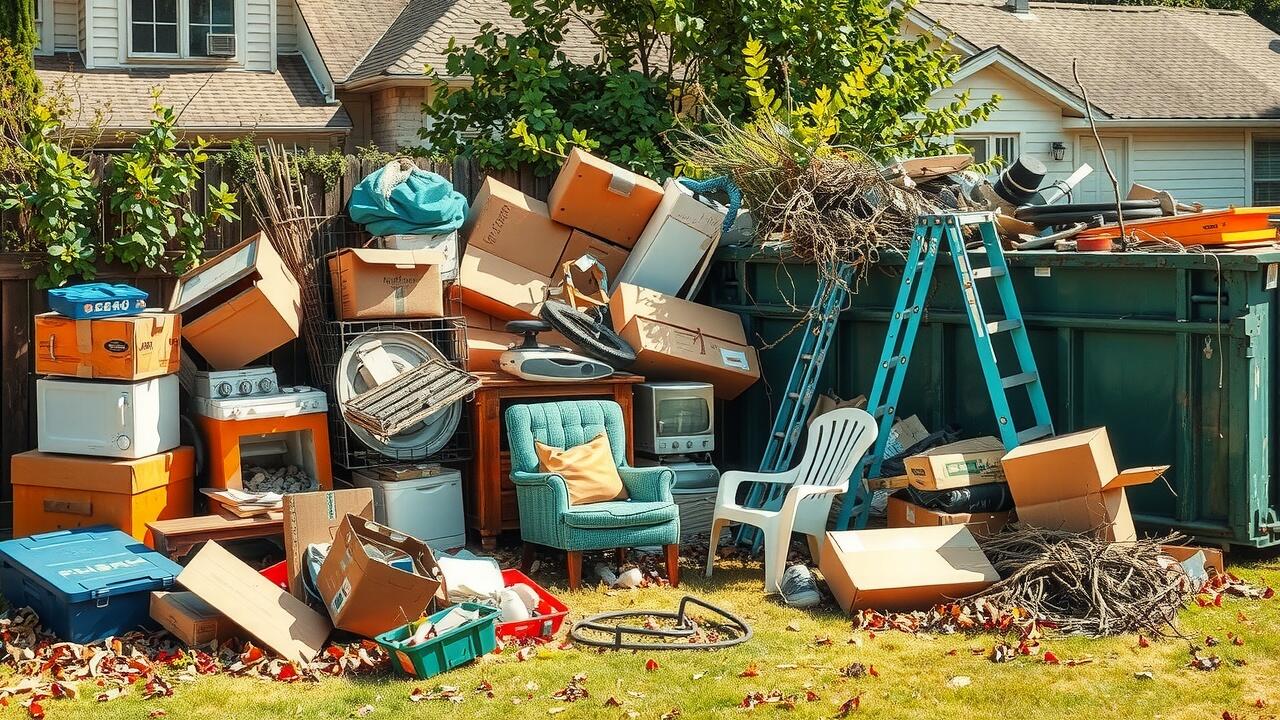
Roll-off dumpsters are commonly used for larger projects that generate significant amounts of junk that requires a dumpster, such as renovations or cleanouts. These dumpsters can handle a wide range of materials, including scrap metal, plastics, and packaging. They provide flexibility in size and allow for easy loading, making them an ideal choice for managing waste effectively. Roll-off dumpsters facilitate efficient waste management by accommodating a variety of items, from e-waste to construction debris.
Front load dumpsters, on the other hand, are typically used for ongoing waste disposal needs in commercial settings. These are perfect for businesses that frequently deal with litter, scrap, and plastic waste, including medical waste that requires careful handling. Their design allows for easy access and is ideal for environments with regular waste generation, as they can be emptied on a scheduled basis. Both types of dumpsters play a crucial role in ensuring that junk that requires a dumpster is managed responsibly and can be recycled appropriately, reducing the impact on the environment.
Overview of Dumpster Sizes
Different dumpster sizes cater to various disposal needs, especially when handling junk that requires a dumpster. From small projects to large-scale renovations, selecting the right dumpster container can make a significant difference in efficiency and price. A helpful dumpster can enhance your cleanout experience, preventing overflow and ensuring that your junk is disposed of correctly. Whether you opt for a standard trash dumpster or a specialized dumpster bag, understanding the sizes available helps you choose the most affordable dumpster for your project.
Common sizes typically range from 10 to 30 yards, each designed for specific types of junk that requires a dumpster. A 10-yard dumpster is ideal for smaller cleanouts, while a larger 30-yard dumpster is suitable for extensive renovations or construction debris. Choosing the right size ensures that the entire dumpster is used productively, saving both time and money. If you’re unsure about your project needs, consider consulting with a provider who can offer insights into the best dumpster size for your junk disposal requirements.
Choosing the Right Dumpster Size
Selecting the appropriate dumpster size is crucial for effectively managing junk that requires a dumpster. There are different dumpster types available, including roll-off and front load dumpster options, each designed to accommodate specific project needs. For smaller projects, a 10-yard or a 15-yard residential dumpster may be sufficient, while larger cleanouts may necessitate a 20-yard or even a 30-yard dumpster. Understanding the various dumpster sizes can help clarify which size dumpster fits your project best. Dumpster rentals often require an upfront cost, so choosing the right size dumpster can save both time and money. If you’re looking into local dumpster services, consider the volume and type of junk that requires a dumpster to ensure you select the most efficient option.
10-Yard Dumpster: Ideal for Small Projects
Small-scale renovations and cleanouts often generate a manageable amount of junk that requires a dumpster. A 10-yard dumpster is the right size dumpster for projects such as garage cleanouts, small home renovations, or landscaping debris. This sturdy roll-off dumpster can efficiently handle the waste produced without overwhelming your space. Traditional dumpsters may be too large for such tasks, making the 10-yard option a popular choice among homeowners. Many dumpster businesses offer temporary dumpster rental services, ensuring you get the dumpster sooner to tackle your project without delays.
Choosing a waste management dumpster tailored to your needs can simplify the disposal process. The 10-yard dumpster is perfect for those moments when you need a junk pick that doesn’t require excessive space. It fits seamlessly into tighter areas of your property, allowing for easy access for a junk truck to load and haul away your waste. Whether you are dealing with household junk or minor construction debris, selecting the right dumpster ensures that you keep your project organized and your space clean.
15-Yard Dumpster: Perfect for Moderate Cleanouts
The 15-yard dumpster is an excellent choice for those tackling moderate cleanouts, such as home renovations or decluttering projects. It offers ample space for managing unwanted junk without overwhelming your property. This size is particularly suitable for residential dumpster rental, allowing homeowners to efficiently dispose of junk that requires a dumpster for proper removal. With the right dumpster service delivery, a roll-off dumpster rental can streamline the process and transform the way you handle junk removal.
Many homeowners find the 15-yard residential roll-off dumpster fits their needs perfectly, striking a balance between size and manageability. Whether you’re clearing out a garage, basement, or undergoing a home remodel, this dumpster can accommodate various types of junk. Instead of opting for truck junk removal services, choosing a home dumpster rental provides greater convenience and flexibility. Monthly dumpster rentals can also be available, making it easy to schedule the disposal of your junk that requires a dumpster.
- Ideal for garage or basement cleanouts
- Perfect for home renovation debris disposal
- Accommodates large items like furniture and appliances
- Limits the number of trips to the landfill
- Provides a secure location for junk during projects
- Flexible rental options for short or extended projects
- Helps maintain a tidy work environment throughout the cleanup
20-Yard Dumpster: A Versatile Choice for Various Needs
The 20-yard dumpster serves as a practical solution for various types of junk that requires a dumpster. It is particularly effective for projects involving general junk, such as furniture, appliances, and yard debris. Understanding the actual dumpster dimensions of a 20-yard unit helps users visualize how much waste it can accommodate, making it easier to determine if it fits their needs. Many dumpster rentals offer this size for homeowners undergoing renovations or decluttering. While considering dumpster pricing, it is essential to factor in dumpster fees and potential roll-off dumpster costs to avoid exceeding your budget.
Choosing a 20-yard dumpster simplifies junk removal, especially for medium-sized cleanouts. Users can avoid wrong junk removal by clearly identifying what can and cannot be disposed of in the dumpster. Many junk removal services appreciate the versatility of this size as it efficiently manages different types of debris. Whether you are clearing out a home, working on a construction site, or handling a community project, a 20-yard dumpster can effectively accommodate the demands of your task. It is a reliable choice that meets the needs of various projects while remaining cost-effective.
30-Yard Dumpster: Best for Large Scale Renovations
A 30-yard dumpster is the ideal choice for large-scale renovations. This size accommodates a significant volume of junk that requires a dumpster, making it perfect for projects where you anticipate generating substantial unwanted trash. Construction debris, old furniture, and other bulky items can easily fill a 30-yard unit. Many professional junk removal companies recommend this size for extensive cleanouts or renovations due to its capacity to handle heavy loads efficiently.
Choosing a 30-yard dumpster also streamlines the new junk removal process. With this size, you engage a commercial junk removal approach that ensures large quantities of unwanted trash can be disposed of in one go. As a result, you save time and reduce the frequency of trips needed by your trash hauler. Specializing in a junk removal method that involves larger dumpsters can enhance efficiency, delivering both convenience and practicality during extensive home improvement tasks.
The Dumpster Rental Process
Understanding the dumpster rental process is essential for tackling junk that requires a dumpster effectively. Homeowners often face the challenge of managing household junk, which may include everything from old furniture to yard debris. Utilizing junk removal services can streamline this process, especially when specialized junk trucks are needed to handle larger loads. For unique items such as hazardous waste, like asbestos, a hazardous waste hauler is crucial to ensure safe disposal. It’s important to consider junk removal costs associated with different services, as they can vary based on the type of junk and the amount of debris. Local trash haulers can provide a range of options that cater to specific junk removal needs, ensuring your project runs smoothly.
How to Rent a Dumpster
Renting a dumpster is a straightforward process that can efficiently handle junk that requires a dumpster. First, assess the type and amount of debris involved in your project. It’s essential to consider if any hazardous waste materials may be present, as these typically need special handling. Options like full-service junk removal can alleviate concerns about loading and transporting household trash. Evaluate your junk removal cost by contacting local providers, ensuring you ask about fees associated with different types of waste, including outdoor trash and safe household garbage.
Next, choose a reputable dumpster rental service that can guide you through the process. Discuss the volume of junk that requires a dumpster to determine the appropriate size. Many companies offer various landfills for disposal, which may include options for non-hazardous waste. Understanding your needs will help establish a clear plan. Whether you opt for DIY loading or utilize full-service junk removal, ensuring a smooth experience hinges on effective communication with the rental service.
Factors to Consider for Dumpster Rentals
Choosing the right dumpster for your project involves understanding the types of junk that requires a dumpster. Not all unwanted waste can be disposed of in the same manner. Many trash companies have specific guidelines about acceptable waste items. This means understanding the nature of your waste materials, as certain items may require specialized handling. For instance, hazardous material collection is crucial for items such as chemicals or electronic waste, which can emit harmful landfill gases when improperly disposed of.
Another important factor in the dumpster rental process is the volume of waste you’ll be dealing with. Knowing the amount of regular trash versus junk that requires a dumpster will help you choose the right size. U.S. landfills can be overwhelmed with inappropriate waste items, so ensuring proper disposal is vital. If your project involves large-scale cleanouts or renovations, consider how much trash removal will be necessary to avoid additional costs or delays. Understanding your specific needs will lead to a smoother rental experience and effective waste management.
Residential Dumpster Rental vs. Commercial Dumpsters
Residential dumpster rentals are often tailored for homeowners managing junk that requires a dumpster for their cleanouts or renovations. Common household garbage, such as furniture, appliances, and yard waste, can exceed the capacity of 32-gallon trash bags. In these cases, renting a dumpster provides a convenient solution. It allows for the disposal of both organic and inorganic trash without the hassle of multiple trips to the landfill. Home trash removal services may cover regular garbage, but they often have limits on volume and may not accept larger items.
On the other hand, commercial dumpsters are designed for businesses and larger projects that generate significant waste. Businesses often encounter bulky items and specialized junk that requires a dumpster for disposal. Junk removal teams can help streamline the process while ensuring compliance with local regulations regarding dump fees and hazardous materials collection. For companies dealing with consistent trash removal totals, a commercial dumpster can provide a more efficient solution compared to relying solely on usual trash service, which may not cater to their high volume needs.
Specialty Dumpsters for Specific Needs
Specialty dumpsters are tailored to meet specific waste disposal needs, ensuring that junk that requires a dumpster is handled appropriately. For construction sites, a construction dumpster is ideal as it can accommodate heavy items like metal waste and scraps, making it easier to manage debris. On the other hand, if you’re dealing with hazardous items or contaminated waste, specialized containers are necessary to protect landfill workers and the environment. These dumpsters effectively separate industrial paint waste from non-hazardous household materials, allowing for safe disposal. Choosing the right type can help streamline projects and ensure that stuff accumulates without posing risks.
| Dumpster Type | Capacity (Cubic Yards) | Common Uses | Hazardous Material Compatible |
|---|---|---|---|
| Construction Dumpster | 10 – 40 | Construction sites, renovations, heavy debris | No |
| Hazardous Waste Dumpster | 10 – 30 | Industrial waste, chemical disposal | Yes |
| Yard Waste Dumpster | 10 – 20 | Landscaping, tree removal, grass trimmings | No |
| Specialty E-Waste Dumpster | 10 – 15 | Electronic waste, batteries, old appliances | Yes |
Construction Dumpsters: Handling Heavy Debris
Construction projects often generate significant amounts of renovation waste and heavy materials that require efficient disposal solutions. A roll-off container is ideal for managing this type of clutter, accommodating the bulky debris while ensuring safety and compliance. Utilizing waste disposal services designed for heavy debris helps streamline the process. This approach also addresses any particular waste, such as vegetative waste or other junk that requires a dumpster, that may arise during construction activities.
For construction sites, creating a proper waste plan is essential. This plan should include options like chemical waste services for hazardous materials and local waste disposal strategies to mitigate environmental impact. Construction dumpsters are specifically designed to handle the challenges of heavy debris, making them a necessary resource for builders and contractors. By choosing the right disposal method, construction teams can maintain a clean site and promote responsible waste management.
Area Roll-Off Dumpster: Ideal for Localized Projects
Localized projects often generate specific types of debris that can be challenging to manage. An area roll-off dumpster is an ideal solution for disposing of junk that requires a dumpster, especially when dealing with heavy construction materials like concrete and construction waste. These dumpsters accommodate dirt disposal and can be essential for projects such as home renovations or landscaping. They provide a safe disposal option for various materials, ensuring proper recycling whenever possible.
Heavy items and materials can accumulate quickly during localized cleanouts, creating the need for efficient removal. By utilizing an area roll-off dumpster, homeowners and contractors can streamline the disposal process, minimizing the need for constant trips from a removal truck. This is particularly beneficial for those handling specialized waste, such as medical waste disposal or other hazardous materials. Cleaners can efficiently manage junk that requires a dumpster, ensuring a tidy and organized workspace while promoting responsible waste management practices.
Alternatives to Traditional Dumpsters
For those looking for efficient ways to manage junk that requires a dumpster, there are several alternatives worth considering. Bulk pickup services can assist with the disposal of unwanted items, especially when dealing with larger objects that traditional dumpsters may not accommodate. Drop-off bins offer a flexible storage solution for cleanup projects, allowing homeowners to sort through their items at their own pace. Chemical recycling is another innovative disposal method, helping to safely process hazardous fluids and materials that cannot be simply tossed into a dumpster. Other disposal techniques, such as community collection events or specialized services for electronic waste, present cleaner options for handling specific types of junk. These approaches not only support effective disposal but also promote environmentally responsible practices.
| Alternative Disposal Method | Description | Best Use Case |
|---|---|---|
| Bulk Pickup Services | Municipal or private service that collects large items directly from your curb. | Furniture, appliances, and large debris. |
| Drop-off Bins | Rental bins for on-site storage, allowing customers to fill at their convenience. | Home remodels, seasonal cleanouts, or estate clearances. |
| Chemical Recycling | Specialized service for collecting and processing hazardous materials safely. | Paints, solvents, and electronic waste. |
| Community Collection Events | Local events where residents can drop off unwanted items for proper disposal. | General junk, electronics, and yard waste. |
Conclusion
Understanding the various junk that requires a dumpster can help streamline your disposal process. Designated drop-off bins serve as practical solutions for tough-to-remove items like drywall scraps and larger truckload waste. It’s essential to explore recycling programs that focus on diverting food waste results from landfills. Utilizing a bin tailored for your project’s specific needs can enhance efficiency, while free waste assessments provide valuable guidance on the best disposal methods. Alternative disposal methods are also worth considering for everyday junk that can be handled more sustainably.
FAQS
What are the different sizes of roll off dumpsters suitable for disposing of junk, and how do they compare to dumpster bags in terms of handling yard wastes?
When considering the size of a roll off dumpster for your junk removal needs, it’s essential to choose one that fits your specific debris needs. Roll off dumpsters come in various sizes, allowing you to select one that accommodates everything from regular trash to hard-to-remove items like yard wastes. While a dumpster bag is convenient for smaller, manageable loads, it may not be suitable for larger-scale projects. For substantial junk removal or specialized junk removal services, a standard roll off dumpster is often the more efficient choice. Whether you’re dealing with yard wastes, construction debris, or other junk, a full-service junk removal company can assist with the dumpster disposal process, ensuring you have the right dumpster upfront for your project.
How do you determine the right size dumpster for your junk removal needs and can you get a dumpster closer to your location for convenience?
When choosing the right size dumpster for your junk removal needs, it’s important to consider the amount and type of junk you have. Different dumpsters vary in size, and you can often find a full service junk removal option that allows for a dumpster closer to your location. You may choose a normal dumpster or one suited for specific materials, such as an asbestos dumpster. If you are also considering using dumpster bags, keep in mind that these are typically made of durable plastic bag materials and can be suitable for smaller projects, though they may not hold as much junk as traditional trash dumpsters.
What types of junk are typically considered when discussing dumpster rental options for efficient junk removal?
When considering a dumpster for junk removal, you can include various types of junk such as household clutter, furniture, appliances, construction debris, and yard waste. The size of the dumpster varies based on your specific junk removal needs. For efficient trash removal, it’s important to assess the volume and type of junk—you can then choose a dumpster that fits your project, ensuring a smooth dumpster rental process.
What is the typical trash removal process when using a dumpster for efficient junk removal?
The trash removal process involves selecting the right dumpster for your needs, as the size of the dumpster varies depending on the volume of junk you’re disposing of. When using a dumpster, it’s important to understand what types of junk you can throw away in the dumpster section. By renting a dumpster, you can streamline the junk removal, letting you efficiently clear out your space.
How does the dumpster rental process differ when handling a large volume of junk removal compared to standard disposal options?
The dumpster rental process involves selecting the right size dumpster, as the variations in dumpster sizes can accommodate different volumes of junk. When focusing on junk removal, it’s important to consider how the dumpster section of your rental experience aligns with your needs. Efficient junk removal lets you dispose of more waste than standard options, and understanding how the cost of dumpsters varies can help you make an informed choice.
What should you consider when selecting a dumpster for efficiently disposing of large junk items in your property’s dumpster section?
When selecting a dumpster for large junk items, consider the size and type of dumpster that best meets your needs. It’s important to assess the volume of junk you have and choose a dumpster that can accommodate it effectively. Additionally, check the regulations in your dumpster section regarding what types of junk can be disposed of and any restrictions that may apply.
How can you efficiently organize junk disposal in your property’s dumpster section?
To efficiently organize junk disposal in your property’s dumpster section, it is essential to categorize your items before placing them in the dumpster. Make sure to separate recyclable materials from non-recyclables and adhere to any local regulations regarding disposal. This not only maximizes the space in the dumpster but also promotes responsible waste management.
How can one identify the proper size of a dumpster for efficiently utilizing the dumpster section on their property?
To identify the proper size of a dumpster, consider the volume of junk you need to dispose of and the available space in your dumpster section. It’s essential to assess the types of materials being discarded and ensure that the dumpster fits conveniently within the area designated for junk disposal in your dumpster section.
How can you maximize the space in a dumpster section to ensure efficient junk disposal?
To maximize the space in a dumpster section, it’s important to plan the layout of how junk will be placed, ensuring that larger items are positioned first followed by smaller debris. Properly breaking down items can also help fit more into the dumpster. This organized method of disposal allows for better use of the dumpster section while preventing overflow and ensuring that the contents are compact and manageable.
What are common practices for using a dumpster to manage large items in your property’s dumpster section?
When using a dumpster for disposing of large items in your property’s dumpster section, it’s essential to follow best practices. Ensure that the dumpster is placed in a convenient location for easy access, and organize the items inside to maximize space. Additionally, be mindful of weight limits and prohibited items to ensure smooth operations in the dumpster section.
Comments are closed.