

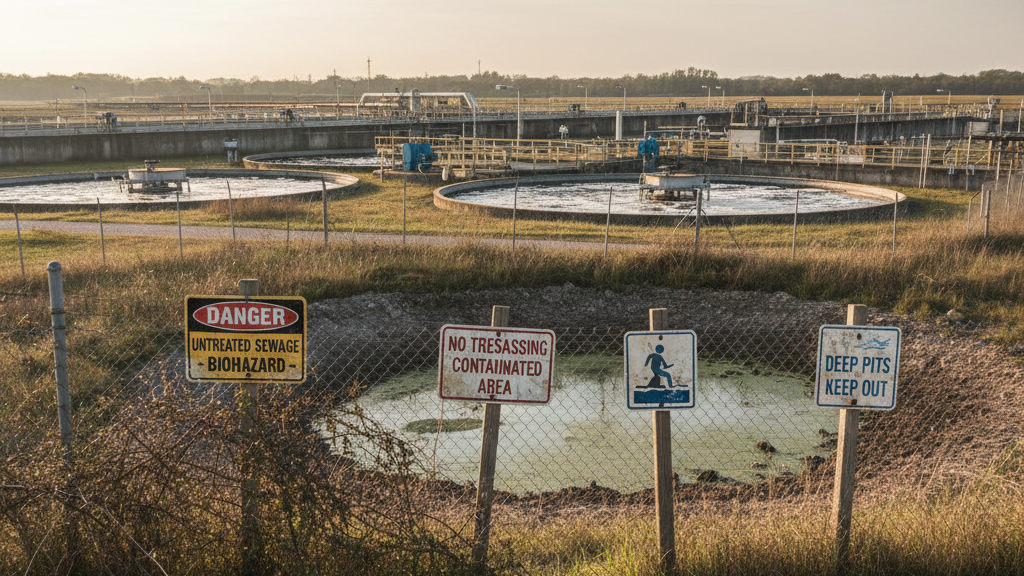
Key Takeaways
- Frequent indicators of wastewater issues
- Visual cues signaling system breakdowns
- Noises suggesting potential problems
- Soil erosion and infrastructure deterioration
- Significance of routine evaluations
Common Wastewater System Warning Signs
Recognizing wastewater system warning signs is crucial for maintaining an effective wastewater management system. Odors emanating from the plumbing often indicate issues within the wastewater treatment system, while slow draining fixtures can suggest blockages in the sewer system. Warning signals like these, along with visual indicators such as sewage backups and pooling water around drains, help homeowners identify potential problems early. Untreated sewage poses significant health risks, making it essential to monitor these signs closely. Regular inspections of the sanitary sewer system can prevent the escalation of issues that may arise from neglecting the health of the wastewater treatment facility, the sewer systems, and the entire wastewater treatment plant.
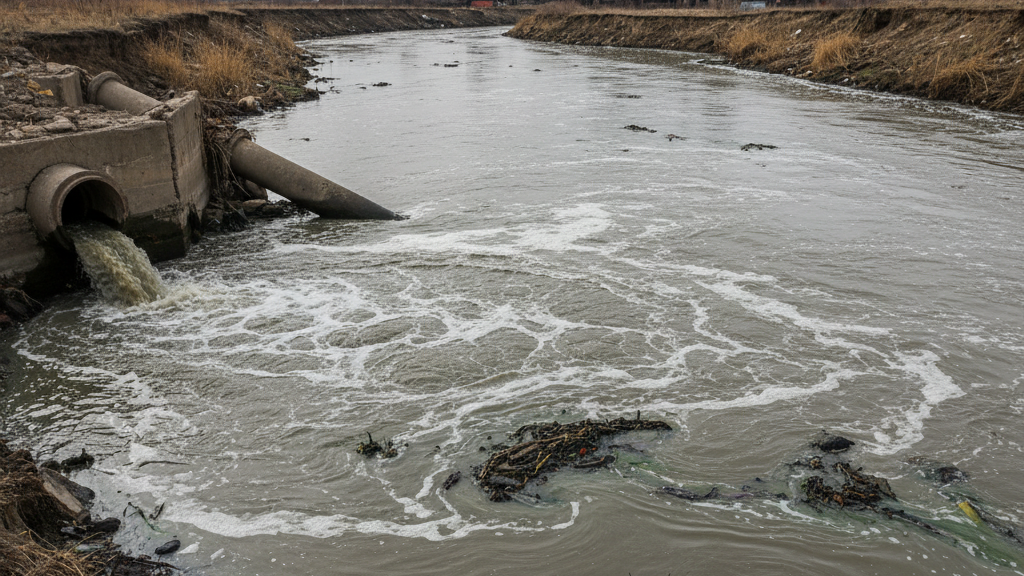
Unpleasant Odors
Foul odors emanating from drains or around the home can signal significant issues within the wastewater system. These unpleasant scents often indicate a malfunctioning sewer or sanitary sewer, which may be linked to blocked sewer pipes or garbage disposal problems. Ignoring these wastewater system warning signs can lead to serious contamination issues, compromising clean water and potentially exposing the household to environmental hazards.
Such odors can be a precursor to more severe problems, including backups or leaks that contaminate water sources. They may stem from storm sewers that are improperly maintained or plumbing system failures. The Clean Water Act aims to mitigate these risks, highlighting the necessity of properly functioning stormwater systems and effective sewage management to ensure the safety and quality of clean water in the community.
Slow Draining Fixtures
Slow drainage from fixtures is often one of the first wastewater system warning signs that homeowners notice. A noticeable delay in water flow can indicate underlying issues within the drainage system. This could be related to blockages in drains or improper drainage patterns. If waste water can’t efficiently move through the pipes, it may lead to higher water meter readings due to leakage. Furthermore, stagnant water can attract mosquitoes and contribute to unsanitary conditions, emphasizing the need for effective stormwater management in drainage areas.
Homeowners should be aware that slow drains can be more than just a minor inconvenience; they may signify potential problems with groundwater levels or structural issues within the plumbing system. Monitoring drainage areas for irregularities can help prevent extensive damage. Environmental services recommend regular inspections to identify the root cause of slow draining fixtures and address any leaks promptly. Failure to act can exacerbate drainage problems and negatively impact the integrity of the entire wastewater system.
Visual Indicators of System Failure
Recognizing visual indicators of system failure is crucial for maintaining a healthy and efficient wastewater system. Observing sewage backups or pooling water around drains can alert homeowners to potential issues. These wastewater system warning signs often coincide with unpleasant odors, which may signify a deeper problem within the wastewater discharge system. Prompt attention to these issues not only aids in environmental compliance but also supports water conservation efforts. Ignoring these warning signs could lead to soil remediation needs, while efficient washing and toilet flushing remain essential for proper system functioning. Being vigilant about these markers helps ensure the integrity of wastewater systems and prevents costly repairs down the line.
Sewage Backups
The presence of visible sewage in your home is one of the most alarming wastewater system warning signs. It typically indicates a severe failure within the plumbing infrastructure, potentially leading to health hazards. Homeowners should remain vigilant for specific warning signs, such as persistent sewage odors and sewage discharge areas in yards or basements. Quick action is essential, as ignoring these critical warning signs can result in extensive damage and costly repairs.
Ignoring such warnings may compromise effective wastewater treatment and can expose residents to industrial wastewater contaminants. A sewer system evaluation is crucial when symptoms like surface wastewater appear. This evaluation helps identify underlying issues in the wastewater management equipment. Recognizing these early warning signs not only protects the home but also ensures a healthier living environment for everyone.
| Warning Sign | Description | Recommended Action |
|---|---|---|
| Visible Sewage | Presence of sewage inside the home | Contact a plumber immediately |
| Persistent Sewage Odors | Foul smells indicating possible backups | Investigate source and schedule an inspection |
| Sewage Discharge Areas | Wet spots in yards or basements | Check sewer lines and call for a professional evaluation |
| Slow Drains | Repeatedly clogged or slow-draining fixtures | Clear clogs or inspect plumbing systems |
| Unusual Gurgling Sounds | Noise from drains when using fixtures | Consult a plumber for a thorough diagnosis |
Pooling Water Around Drains
Pooling water around drains is a clear indicator of potential issues within a wastewater system. This phenomenon often serves as a mechanical warning sign that something is amiss, such as a blockage or buildup in pipes. Homeowners should take note of any persistent pooling, as it may lead to untreated wastewater seeping into the environment. Such situations can result in sewage exposure and release sewage odors outdoors, creating unhealthy conditions for both residents and passersby. Recognizing these advance warning signs is crucial to avoid further complications and ensure the public sewer system functions properly.
The presence of pooled water can also be accompanied by sewage-like odors, which permeate both indoor and outdoor spaces. These sewage smells could indicate that sanitary sewage water is not draining properly, affecting the overall health of the wastewater system. Attention to outdoor warning signs, such as this pooling, can help prevent more severe consequences down the line. Monitoring the average wastewater rate and being alert to electronic warnings or other indicators will help maintain the integrity of your system while minimizing the risk of costly repairs associated with sewage odors and disruptions.
Sounds Indicating Trouble
Bubbling sounds in toilets and gurgling drains often serve as clear wastewater system warning signs that something is amiss. These noises can indicate potential drainage issues within the pipes connected to your yard, septic tank, or side sewers. Ignoring such obvious warning signs could lead to severe consequences, including sewage overflows that violate local sewer ordinances and the Clean Water Act. If you notice a sewage-like odor near your drains, it may signify that unsafe water is trapped within your system. Regular checks and awareness of these warning signs can prevent costly repairs and ensure that private sewer systems continue to function properly. Taking action before severe problems arise can save homeowners from higher annual wastewater rates and the hassle of dealing with extensive damages.
Bubbling Sounds in Toilets
Bubbling sounds emanating from toilets often serve as critical wastewater system warning signs. These noises can indicate potential sewage backup causes that stem from widespread drainage issues within your plumbing system. If air is trapped in the pipes, it creates a disturbance that leads to the bubbling effect. Homeowners should recognize this as a clear sign of trouble, potentially linked to problems in the city sewer pipes or even the drain field signs that suggest more extensive contamination cleanup may be necessary.
Ignoring these sounds may result in more severe issues and higher sewer rates. They could signify a blockage or damage that requires immediate attention to avoid damage to your property. A proper water meter inspection and monitoring for clear water intrusion can help homeowners stay ahead of potential sewer problems. Recognizing these clear signs early can prevent costly repairs and ensure the sanitary sewer collection remains efficient and effective.
Gurgling Drains
Gurgling sounds from drains often serve as critical wastewater system warning signs. These noises can indicate potential contamination, especially if they coincide with foul odors. A malfunctioning current monitoring system may fail to detect groundwater infiltration into sanitary sewer laterals, causing discharge issues. Homeowners should take these sounds seriously and stop water usage immediately to prevent emergency issues and further complications. Seeking drain cleaning services can help address these alarming symptoms before they escalate into more serious problems.
Failing to address gurgling drains can lead to significant structural damage and costly repairs. The movement of wash water may become restricted, resulting in improper drainage control and increased odor complaints. An alert homeowner should recognize these gurgling noises as a signal to investigate further. Ignoring these signs may lead to larger issues within the wastewater system, highlighting the importance of regular monitoring. Addressing gurgling drains promptly can mitigate risks associated with potential contamination and ensure a healthy living environment.
Erosion and Structural Damage
Cracked or sinking paving can serve as a clear indicator of underlying issues with the wastewater system, often stemming from leaky pipes or high groundwater conditions. These structural changes may indicate insufficient monitoring or surface water management problems, raising concerns about drainage systems’ integrity. Local water boards emphasize the importance of establishing a flow monitoring program to track potential issues effectively. Observing pooling water around drains is an unpleasant sign that could lead to costly repairs without enough advance warning. Proactive measures and timely system solutions can mitigate these risks, ensuring that water sources remain safe and sustainable. Contacting experts like Fletcher Sewer can provide insights into maintaining robust infrastructure and addressing these critical wastewater system warning signs.
Cracked or Sinking Paving
Visible cracks or sinking in paved areas around your property may indicate significant underlying problems related to your wastewater system. These cracks can be a result of multiple factors, including tree root infiltration or drain field issues. Regular monitoring of water levels can help identify such wastewater system warning signs early on. Without immediate cleaning and maintenance, these issues may escalate, leading to structural damage and increased environmental risks.
The presence of cracks or sinking surfaces often points to tank issues or vent system blockages that require immediate attention. Modern monitoring solutions, including advanced monitoring systems, can provide alarms to notify homeowners of potential emergency risks. Keeping an eye on pavement conditions is essential as it can reflect the overall health of the wastewater system and prevent future complications that may arise from neglected problems.
- Regularly inspect paved areas for signs of cracking or sinking.
- Monitor water levels in your wastewater system to catch issues early.
- Consider tree root management to prevent infiltration into the paving.
- Use advanced monitoring systems to receive alerts about potential problems.
- Schedule routine maintenance and cleaning for your wastewater system.
- Seek professional assessment if significant cracking or sinking occurs.
- Maintain drainage pathways to minimize water accumulation around paving.
Unstable or Wet Soil
Signs of unstable or wet soil can manifest as an indication of serious issues within your wastewater system. Excess water in soil often correlates with septic-related drainage issues, potentially leading to drain field problems. If you notice standing water or noticeable wet patches, this may serve as a clear warning sign. Such conditions could result from inlet pipe blockages or foundation drain disconnections, which might cause bad odors and become a health hazard due to dangerous contaminants infiltrating the environment.
Over time, excessive water can affect the integrity of your property. Waterlogged soil may compromise the stability of structures and foundation, heightening the risk of costly repairs. Regular system inspections are essential to address these wastewater system warning signs early on. Immediate cleanup and remediation efforts can prevent further complications. Without proper attention, the situation may escalate, leading to severe consequences for both property and health.
Importance of Regular Inspections
Regular inspections of your wastewater system play a critical role in identifying warning signs that may indicate deeper issues. Catching conventional plumbing problems early can save homeowners from costly repairs related to drainage complexities and large drainage areas. Inspectors often check infiltration amounts to prevent unscheduled disruptions to the metropolitan disposal system. Ignoring signs such as a malfunctioning drain field can lead to significant electrical hazards as well as structural damage. Through diligent cleaning and flow monitoring, property owners can ensure that their system operates effectively, preventing leaks and other serious issues down the line. Routine pipe inspection works and systematic detecting problems provide peace of mind and safeguard against the potential pitfalls of neglecting your wastewater system.
Preventive Maintenance Benefits
Regular inspections play a crucial role in identifying wastewater system warning signs before they escalate into significant issues. Unusual odors, such as persistent stinks emanating from the tank area, can signal fundamental system problems that require immediate attention. Inspections help evaluate the condition of pipes and discharge mechanisms while providing an opportunity to assess any unauthorized system modifications. Employing modern monitoring capabilities, including level monitoring, ensures that water usage remains within optimal limits and that potential issues are swiftly detected.
Preventive maintenance also contributes to the overall health of the ecosystem by preventing wastewater overflow into nearby ponds. Timely detection of problems through comprehensive inspections allows homeowners to address issues in a timely manner. Inspection ports enable easy access to the system for routine checks, making it simpler to monitor the system’s effectiveness and avoid costly repairs down the line. Regular maintenance not only preserves your wastewater system’s functionality but also protects local water sources from contamination.
- Ensures early identification of potential issues before they become costly repairs
- Maintains compliance with environmental regulations
- Enhances the longevity and efficiency of wastewater systems
- Reduces the risk of system failures and emergency repairs
- Saves homeowners money in the long run by preventing major system overhauls
- Protects community health by minimizing environmental hazards
- Promotes better resource management through efficient wastewater practices
Conclusion
Being aware of wastewater system warning signs is crucial for maintaining an efficient system and preventing costly repairs. Common issues such as sewage backups, slow draining fixtures, and unpleasant odors can often indicate underlying problems like blockages or a malfunctioning inlet baffle. Regular inspections, including dye testing, can help identify these warning signs early and address them before they escalate. Implementing preventive maintenance, such as replacing filters and monitoring for visual and auditory indicators, will ensure that your wastewater systems function optimally. Early detection of issues saves money and safeguards the integrity of your property.
FAQS
What are the key sewage warning signs to look for when monitoring your waste water system?
When monitoring your waste water system, there are several sewage warning signs to watch for. These include persistent sewage-like odors near your drains, in your yard, or around your septic tank. You may also notice foul water pooling in your yard or an increase in excess water use that does not seem to correlate with your normal habits. If you see multiple drains backing up, it could indicate inlet/outlet blockages. Monitoring these signs is crucial as it helps prevent leaks and avoid more serious problems with your water supply or storm drains. If you notice these warning signs, it’s essential to contact Fletcher Sewer for assistance.
What should I be aware of when monitoring my wastewater system to prevent leaks?
When monitoring your wastewater system, be alert for the following warning signs: mechanical warnings, sewage odors indoors, persistent sewage-like odor near your drains, yard, or septic tank. If your water isn’t draining properly, it’s essential that monitoring doesn’t become neglected, as avoiding these system indicators prevents leaks and other issues.
What indicators should I be cautious of in my yard that might suggest issues with my wastewater system?
Key indicators include a persistent sewage-like odor near your drains, yard, or septic tank, which can signify underlying problems. To effectively manage your wastewater system, it’s crucial to be aware of these signs and take appropriate actions to avoid system failures.
What persistent signs should I be aware of near my drains or yard that might indicate an issue with my wastewater system?
One persistent sign to look out for is a sewage-like odor near your drains, yard, or septic tank. Being vigilant about this odor can help in avoiding system failures and ensuring proper maintenance.
What are some persistent signs in your yard that suggest problems with your wastewater system, particularly involving a sewage-like odor near your drains or septic tank?
If you notice a persistent sewage-like odor near your drains, yard, or septic tank, it may indicate that there is a problem with your wastewater system. Other signs to look for include pooling water, lush patches of grass, or unusually green areas in your yard which can also suggest underlying issues with the system.
How can I identify persistent issues in my yard that may be linked to a sewage-like odor near your drains or septic tank?
To identify persistent issues in your yard, look for signs such as pooling water, unusually lush patches of grass, or any persistent sewage-like odor near your drains or septic tank. These indicators can suggest problems within your wastewater system.
What should I consider regarding potential problems in my yard that could lead to a sewage-like odor near your drains or septic tank?
When assessing your yard for potential issues, you should be on the lookout for persistent signs such as water pooling, overly lush greenery, or soggy areas, which might suggest problems with your wastewater system. Additionally, if you notice a sewage-like odor near your drains or septic tank, it’s essential to investigate further to prevent any serious issues.
What are the common persistent indicators that suggest a problem in your yard, potentially involving a sewage-like odor near your drains or septic tank?
Common persistent indicators in your yard that may suggest a problem include unusual wet spots, lush vegetation in one area, or a sewage-like odor near your drains or septic tank. These signs can indicate underlying issues that need to be addressed.
What are some signs of potential issues with your yard that could lead to a persistent sewage-like odor near your drains or septic tank?
If you notice a persistent sewage-like odor near your drains, yard, or septic tank, it could indicate underlying problems such as a leak or blockage in your wastewater system. Look for signs like unusual wet spots in your yard, sewage backups, or pooling water, which are common indicators that something may be wrong. It’s important to investigate these persistent signs promptly to prevent further complications.
What are some noticeable persistent signs in your yard that may indicate a problem with the sewage-like odor near your drains or septic tank?
To identify noticeable persistent signs in your yard that may indicate a problem with a sewage-like odor near your drains or septic tank, look for unusual wet spots, lush patches of grass, or standing water in the area. These signs can suggest that there is a leak or blockage in your wastewater system, which could lead to issues needing immediate attention.
Comments are closed.